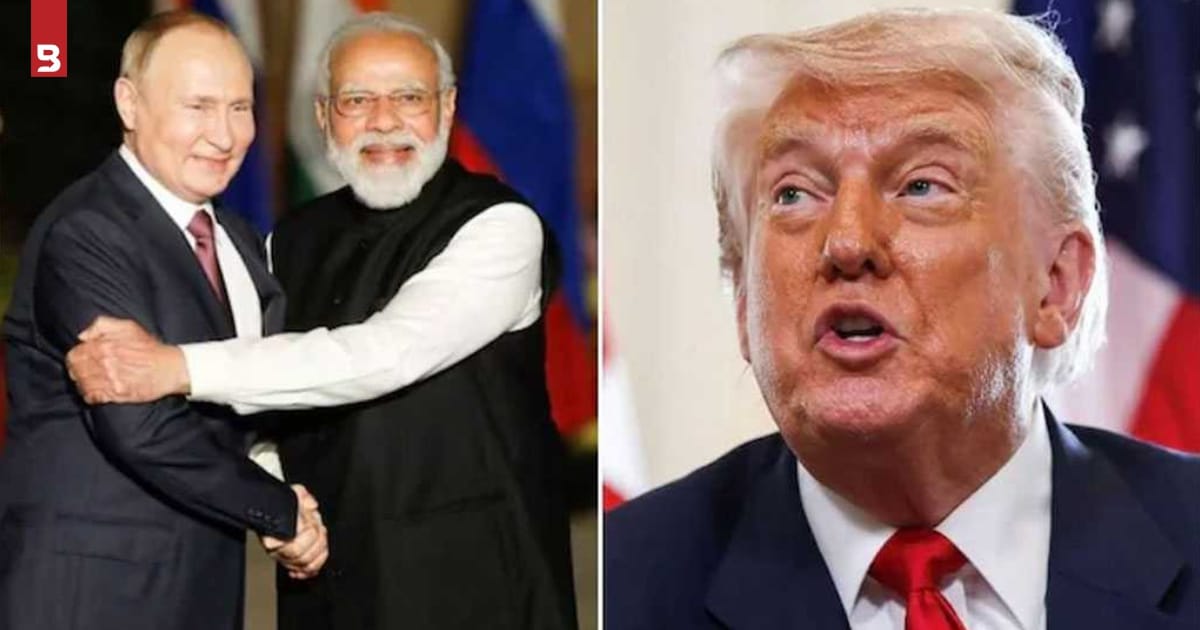
Donald Trump fired off another late-night Truth Social post on 30 July, roasting India and Russia as “dead economies tethered together.” Then, true to form, he added teeth: a blanket 25% tariff on every Indian import. No trial balloons, no phased rollout. Just boom. New rules kick in on 1 August.
Bluster aside, a tariff that steep isn’t a press-release novelty; it rewires supply contracts drafted months ago. “A sudden 25% surcharge at the port can vaporize profit margins overnight,” warns a veteran trade lawyer at Baker McKenzie. “Companies will either eat the cost or rip up purchase orders, neither is pretty.”
Why Trump’s Mad: Crude Carried on Cape-size Tankers
Start with oil. India imported roughly 1.9 million barrels of Russian crude a day in June—up 17% from May, according to Kpler’s tanker-tracking data. The White House insists those cargoes prop up Moscow’s war machine; New Delhi counters that discounted barrels keep inflation in check for 1.4 billion people.
Still, step back a moment. India also buys missiles, frigates, and spare parts from Rosoboronexport. The Stockholm International Peace Research Institute pegs Russia’s share of Indian arms imports at 38% for 2020-24. That defense dependency drives Washington nuts, especially when it’s trying to isolate Putin with U.S. sanctions.
The “Dead Economies” Jab
Trump, never shy with hyperbole, argues the two nations are limping along and leaning on each other like co-dependents. Critics howl at the math. The IMF projects India to expand 6.5% this year—hardly zombie territory—and even sanctions-hit Russia is expected to eke out 1.4% growth. “Calling them ‘dead’ is political theater,” says a senior economist at DBS Bank. “But theater influences policy.”
New Delhi’s Pushback (Delivered in Mumbai, 12 July)
Speaking at a chamber event in Mumbai on 12 July, Commerce Minister Piyush Goyal pre-empted the swipe: “India remains the fastest-growing major economy, and we will buy energy where it is affordable.” His subtext: a bargain barrel trumps geopolitics when electricity bills hit voters.
Yet the tariffs sting. The U.S.-India trade corridor hit $191 billion last year; strip 25% off the top line, and CFOs lose sleep. Over at the Port of Savannah, customs brokers are already recalculating landed costs on textile shipments scheduled to arrive next week, an all-nighter for trade lawyers.
Russia Cheers, Kinda
Meanwhile, ex-Russian President Dmitry Medvedev called Trump’s move “hysterical” but said it proves that “Indo-Russian ties endure.” Moscow needs those rupees; Urals crude has been trading $14 below Brent since spring. Losing India would hurt. No surprise the Kremlin’s Foreign Ministry retweeted Trump’s post with a winking emoji (yes, really).
Does This Spark a Larger Trade War?
Maybe. India has tools of its own, higher duties on Harley-Davidsons, a pause on Boeing jet orders, even tighter data-localization rules for Silicon Valley. And buried in USTR’s 2023 Special 301 Report is a line that singles out India’s poultry tariffs as “egregious.” Retaliation fodder, served hot.
Still, one sobering note: HSBC estimates the new levy could shave 0.3 percentage points off India’s GDP if it sticks for a full year. Not lethal, but noticeable, and exactly the “economic warning” Trump wants to send.
The Bottom Line
International trade rarely reads like a reality-TV script, but Trump keeps trying. His Donald Trump statement paints India and Russia as economic corpses; the data says otherwise. Yet tariffs, once fired, don’t care about metaphors, they hit invoices. Keep the coffee on; this fight over economic diplomacy and geopolitical tensions is just warming up, and the global economy is along for the ride.