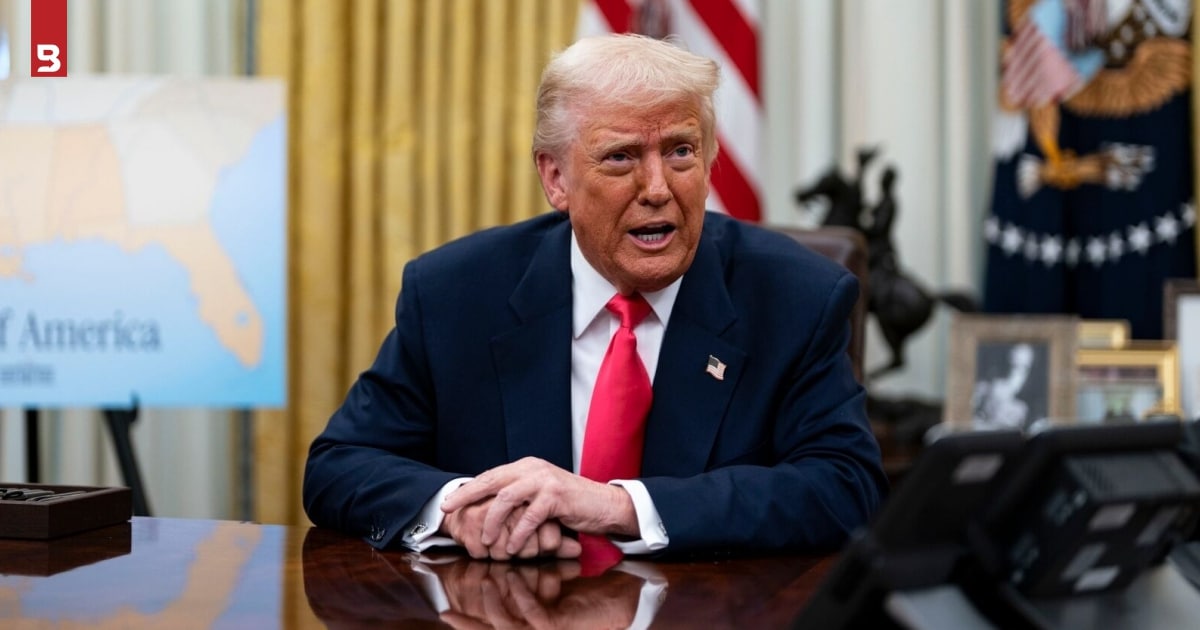
Former Indian diplomat KP Fabian has asserted that US President Donald Trump is beginning to realize his aggressive tariffs failed to achieve desired outcomes with India, as evidenced by a notable shift in presidential rhetoric over recent weeks.
The assessment comes after Trump imposed punitive 50% tariffs on Indian goods in August 2025, combining a 25% baseline rate with an additional penalty targeting India’s Russian oil purchases. However, the strategy proved ineffective as India maintained its positions on energy security and trade policies while the tariffs inflicted economic damage on American consumers.
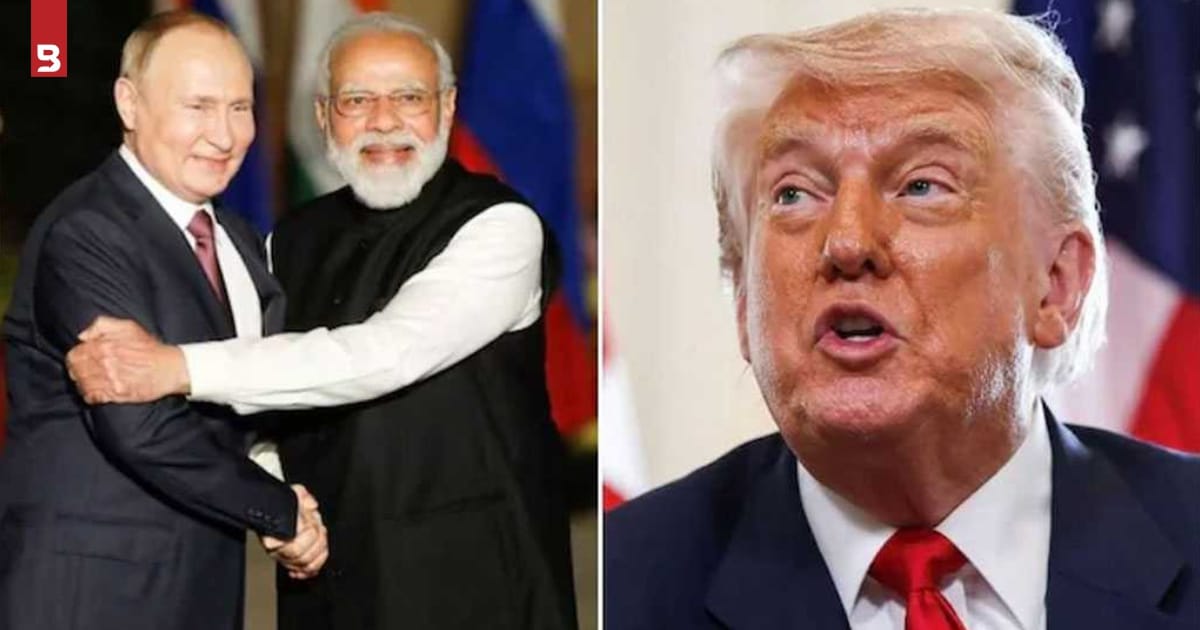
Trump softened tone dramatically in early September, calling the India-US relationship “very special” and describing Prime Minister Modi as his “very good friend” on Truth Social. This marks a stark departure from his previous characterization of India as having a “dead economy”.
Fabian, who served as India’s ambassador to Finland, Qatar, and Italy, coined the term “Triple T” – Trumped-up Trump Tariff – to describe what he considers baseless punitive measures. Speaking to media outlets, he emphasized that “Trump realising mistake” stems from India’s response as a “civilizational state” that “cannot take dictation”.
The diplomatic shift occurred after India demonstrated its alternatives through engagement with China and Russia at the SCO summit, while maintaining firm positions on energy imports and agricultural market access. Despite facing potential export losses of $35-50 billion, India refused to capitulate to US demands.
Recent developments show both leaders expressing optimism about resuming trade negotiations, with Modi responding positively to Trump’s overtures while maintaining cautious language. However, the 50% tariffs remain in place, and fundamental disagreements persist over Russian oil purchases and agricultural access.
The episode illustrates the limitations of coercive trade diplomacy against major powers with strategic autonomy and alternative partnerships, highlighting the need for equal-partner approaches rather than subordinate relationships in modern international trade negotiations.