CPI inflation plummets: India’s retail inflation hits a 6-year low of 2.10% in June 2025
India just logged its coolest price rise in over six years. Headline CPI inflation fell to 2.10% in June 2025, the lowest since January 2019. That alone is big.
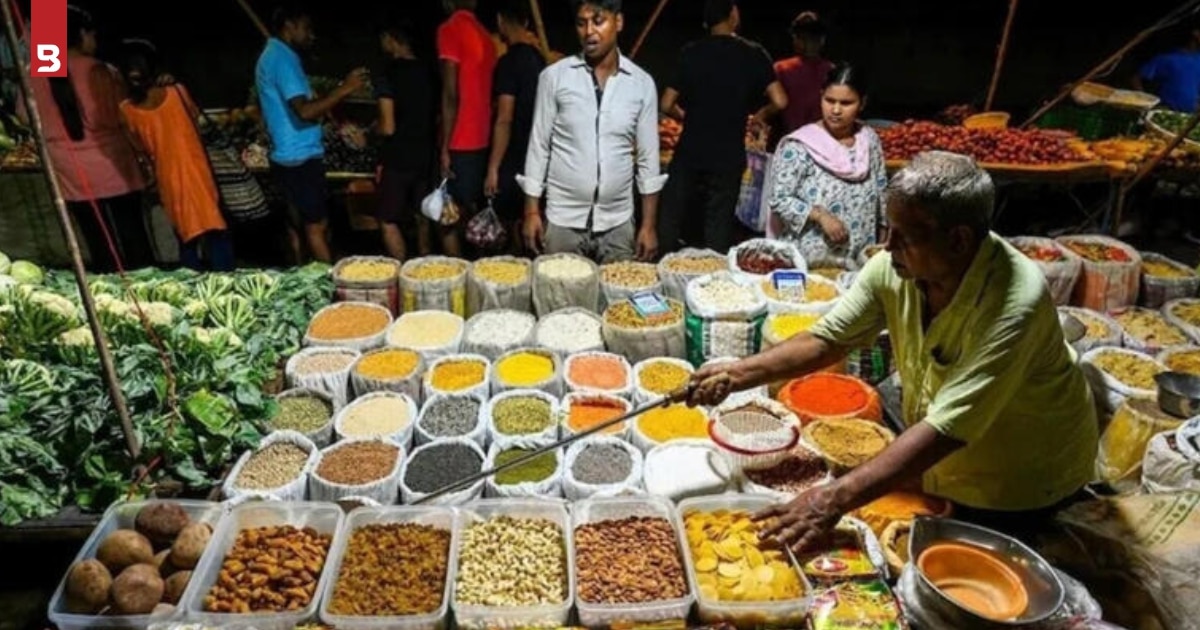
What makes it bigger is this: food inflation actually turned negative, with the Consumer Food Price Index (CFPI) at – 1.06% year-on-year. In a country where food drives nearly half the CPI basket, that’s newsworthy.
We’ll unpack why inflation fell so sharply, what the official data says, what it means for your wallet and markets, and how the RBI monetary policy might respond, plus expert insights to ground it all.
What is CPI and food inflation?
Consumer Price Index (CPI) tracks how prices of a fixed “basket” of goods and services change over time: think food, fuel, housing, transport, education, healthcare and more. It’s the most watched india inflation rate because it affects wages, EMIs, interest rates and government benefits. Policymakers use CPI among key Indian economy indicators to judge whether prices are running too hot or too cold.
Consumer Food Price Index (CFPI) is the food-only slice of CPI (excludes beverages and prepared meals). It zooms in on cereals, pulses, vegetables, milk, meat, oils, sugar and spices, basically the things in your grocery cart. For households, CFPI reflects kitchen-table reality. For policymakers, it’s the fastest moving and most volatile part of CPI.
June 2025 data breakdown (official numbers)
Here’s the quick read of the inflation report India for June:
- Headline CPI (Combined): 2.10% (May: 2.82%)
- CFPI (Combined): –1.06%
- Rural vs Urban: Rural CPI cooled to 1.72%; Urban CPI eased to 2.56%. Rural food inflation was –0.92%, Urban food –1.22%.
By category (y/y in June 2025):
- Vegetables: –19.0%
- Pulses & products: –11.76%
- Fuel & light: 2.55%
- Transport & communication: 3.90%
- Housing (urban only): 3.24%
- Education: 4.37%
- Health: 4.43%
- Oils & fats: +17.75% (one of the few major food lines still showing a steep rise)
Note on status: The June 2025 CPI release is labelled Provisional. MoSPI typically finalises last month’s numbers with the next release. The next CPI release date on the Advance Release Calendar is August 12, 2025, when June figures are expected to be confirmed alongside July’s provisional print.
Why did inflation plummet?
1) Favourable base effect: Inflation is a growth rate versus the same month a year ago. Last June’s prices were high (CPI 5.08%, CFPI 9.36%), so even modest month-to-month moves this year make the y/y rate look much softer. The government flagged the base effect as a key driver.
2) Food prices fell hard: That’s the headline within the headline. Vegetables fell ~19% y/y; pulses and cereals saw marked easing, and sugar and spices cooled. The statistics ministry directly linked June’s drop to declines in vegetables, pulses, cereals, milk, meat, sugar and spices.
3) Supply tailwinds from a decent monsoon and better output: Adequate rainfall and improved agricultural supply helped tame food prices, even with some monsoon irregularities in parts. That farm-led relief has been a recurring theme through mid-2025.
4) Momentum built over months: The May print had already slowed to 2.82%, with CFPI at 0.99%, and the June step-down extended that disinflation streak.
What this means
Impact on consumers and markets
A sub-2.5% india inflation rate is not just a headline; it’s felt in everyday budgets. With CFPI at – 1.06%, grocery baskets finally got some relief. Vegetables were the big driver, down about 19% year-on-year, and pulses also eased. Cereals and milk stayed positive but slower. Net effect: kitchen inflation cooled materially in June.
For borrowers and investors, the signal is different but connected. Softer inflation lowers the odds of sharp rate hikes and can pull down yields across the curve over time. Equities often like the combination of cooling prices and steady growth; bonds like the possibility of further easing. Markets are already gaming those odds as the inflation report India shows a decisive drop from May’s 2.82% to June’s 2.10%.
It’s not “everything is cheaper” though. Services-heavy categories are still sticky: education at 4.37%, health at 4.43%, transport and communication at 3.90%, and housing at 3.24%. If you’ve wondered why school fees, doctor visits, rents, or commuting still strain the wallet despite cheaper tomatoes, that’s why services inflation hasn’t fallen as fast.
Economist view: “CPI inflation edged further down in June on the back of lower food prices,” notes Sakshi Gupta, Principal Economist at HDFC Bank, neatly summing up the month’s driver.
Policy implications and outlook
The RBI’s formal mandate is 4% CPI with a tolerance band of 2–6%. June’s 2.10% sits almost exactly at the lower bound, a rare spot for headline inflation in India. That naturally fuels talk of rate cuts.
What are policymakers thinking? Through early August, consensus expected the central bank to hold while acknowledging that easing prices give it more room in coming months. After the August meeting, the RBI indeed kept the policy rate at 5.50%, flagged risks from global trade headwinds, and trimmed its inflation projection signalling caution, not complacency.
A few moving parts matter for the next steps:
- Base effects fade: The favourable base that amplified June’s decline won’t last forever. As that effect recedes, headline inflation can drift up even if month-to-month prices are steady. (The finance ministry’s Monthly Economic Review calls June a 77-month low and credits base effects and softer food.)
- Food supply and monsoon: A “good-enough” monsoon and improved farm output brought vegetable and pulses prices down; the outlook still hinges on rainfall distribution and sowing progress.
- Services stickiness: Education, health, housing, and transport have momentum. That’s why the RBI remains cautious even with headline CPI hugging 2%.
Broader context and comparisons
June’s print is the lowest since January 2019, extending a multi-month disinflation run. Internationally, India is not alone. Several economies have seen food-led cooling this year but India’s swing is sharper because food is nearly half the CPI basket and monsoon-sensitive. That amplifies both the downswings (like June) and any future upswings if weather turns.
The forward guidance from brokerages and research houses tracks this: many expect a soft trough around mid-2025, then a modest climb later in the year as base effects normalise and services stay firm. Some desks pencilled in one small cut later in 2025 if benign data persist, but that’s conditional, not guaranteed.
Conclusion and call-to-action
India’s June 2025 CPI at 2.10% and food inflation at – 1.06% mark a standout moment in inflation trends India, a genuine cooling that shows up in grocery bills and macro dashboards alike.
The why is clear: a friendly base effect plus cheaper food, helped by agricultural supply. The “but” is also clear: services inflation is still elevated, so the RBI will balance price stability with growth rather than sprint into cuts. Watch the next couple of prints (July and August) for confirmation, and keep an eye on monsoon updates and global trade headlines for risks.